
 Free delivery on orders over 100 €



AI lighting for shops and restaurants: how it works
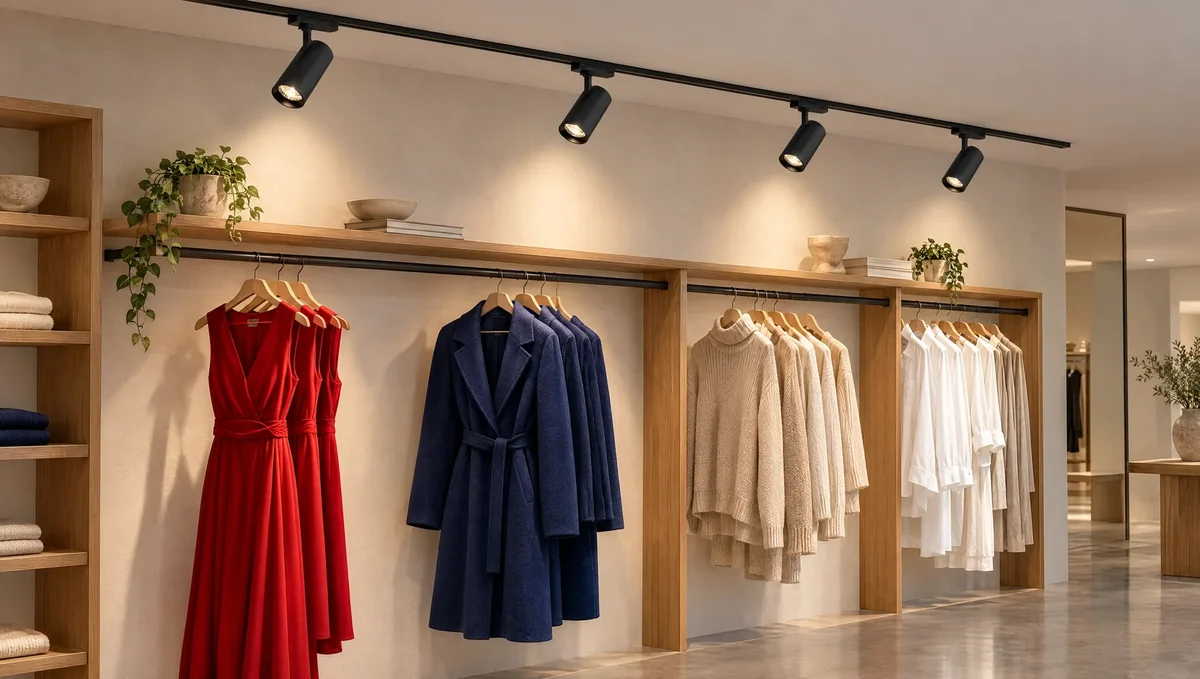
AI lighting is lighting with a colour sensor that recognises the goods it lights and adjusts its own light to them. It is designed for shops, shop windows, restaurants and galleries where the goods change often while the spotlights keep the same light. This article explains how the ACA Lighting AI system works, which models are available, how it is controlled and how to plan it for a project.
What AI lighting is
An ordinary spotlight has one colour temperature, chosen at purchase. Warm light (around 2700-3000 K) brings out red, wood and bread, while cool light brings out blue, white and metal. A spotlight with one temperature cannot show every product well.
AI lighting solves this with a sensor next to the lens of the fitting. The sensor recognises the type and colour of the lit object, and the fitting changes its light within 2700-6500 K: warmer under a red garment, cooler under a blue one. When the goods change, the light readjusts itself, with no new fittings or lamps.
The ACA Lighting system (CAIMETA) has two types of fittings:
- CCT - change only the colour temperature, from warm to cool;
- RGBW - combine white, red, green and blue in one LED and can also boost colour saturation.
The colour rendering index (Ra) shows how true colours look: 80 is typical for homes, above 90 is the level for shops and galleries. According to the ACA catalogue, the Aura and Milo models are Ra90, and the system as a whole is stated as above 95.
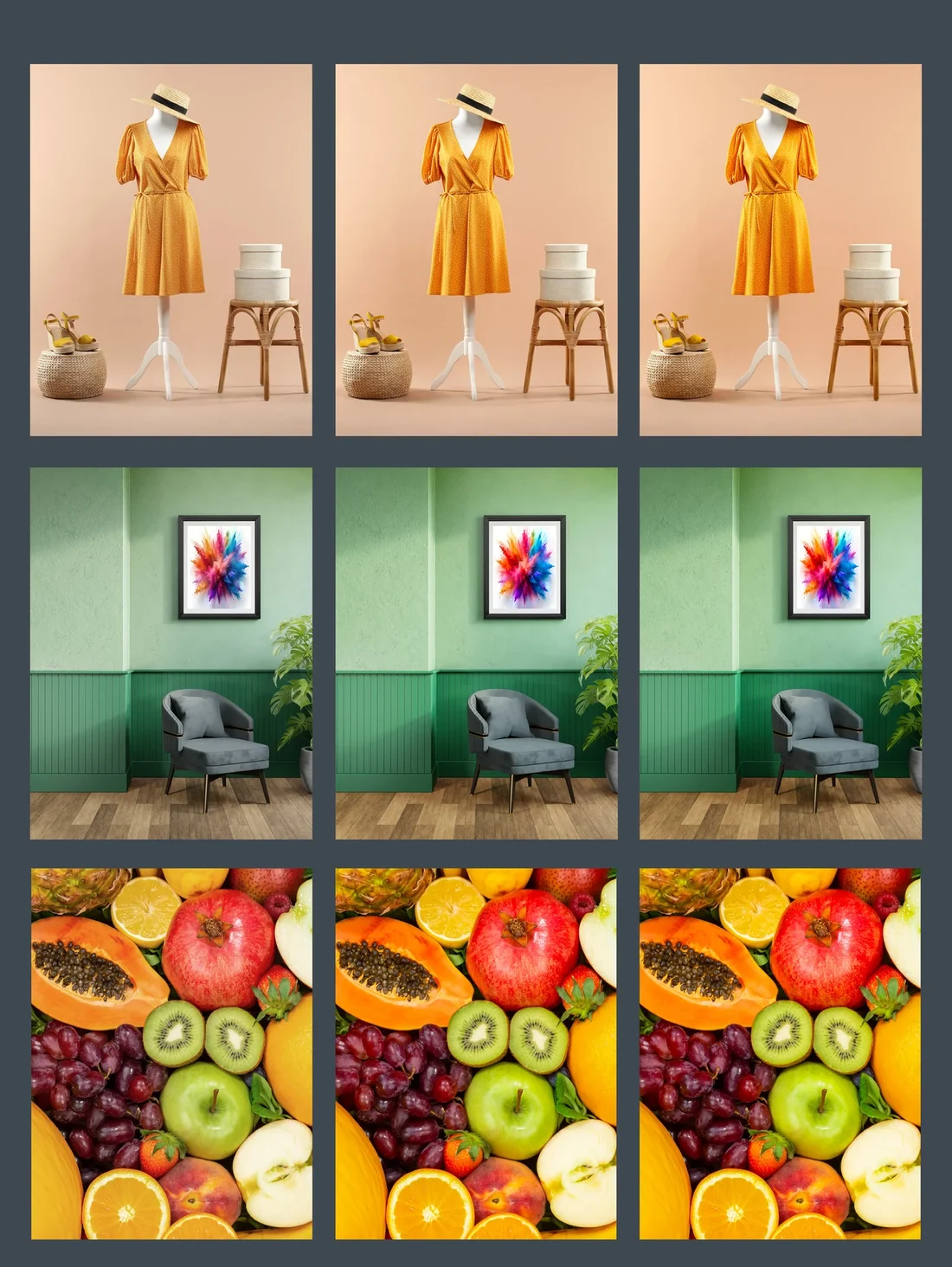
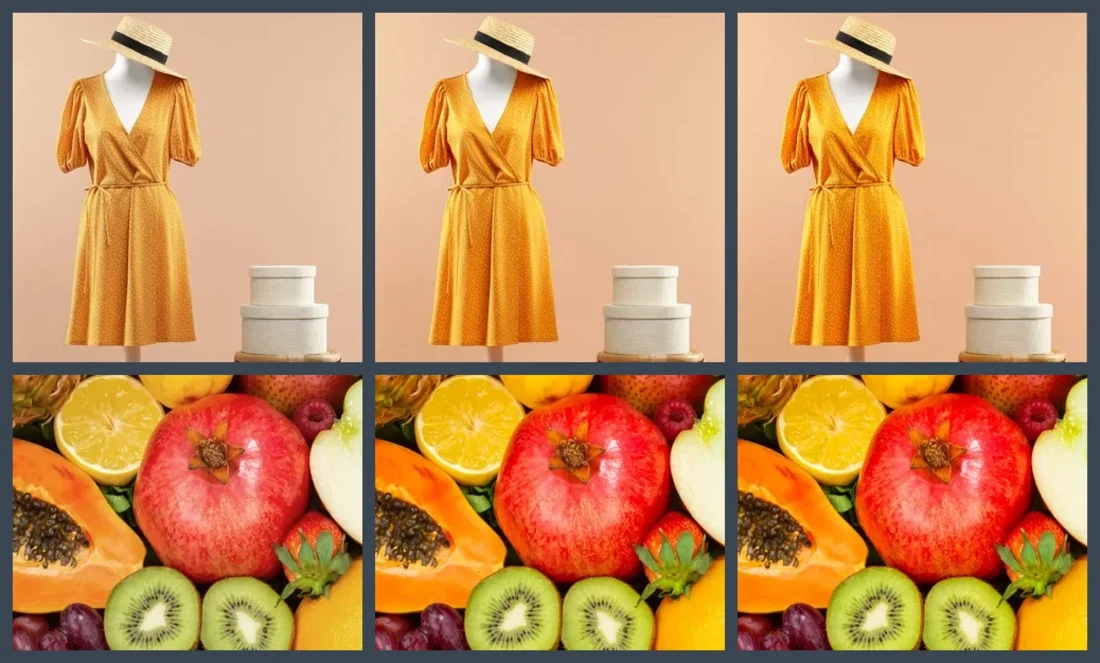
Models: track spotlights, downlights and pendants
All models have a colour sensor. Dual-sensor models also have a presence sensor: they dim the light when the zone is empty and show in the app which zones get the most visitors.
| Model | Mounting | Light | Sensors |
|---|---|---|---|
| Meta II, Kano, Sara | 230 V track (4-wire) | 15-35 W, RGBW | two |
| Milo | 230 V track, even wall lighting | 45 W, CCT, Ra90 | two |
| Meta II, Aura | 48 V magnetic track | 15 W, RGBW or CCT | two or one |
| Meta II | surface or recessed, 230 V | 15 or 30 W | two |
| Meta II pendant | suspended, 230 V | 15 or 30 W | one |
| Luka, Lulu | recessed downlights, 230 V | 7, 15 or 30 W, RGBW | one |
Track spotlights are used for shop windows and shelves. Above tables in a restaurant or bar, the Lulu and Luka downlights or the pendants fit better. For a long wall of clothes or pictures there is Milo, which lights the wall evenly, without separate pools of light.
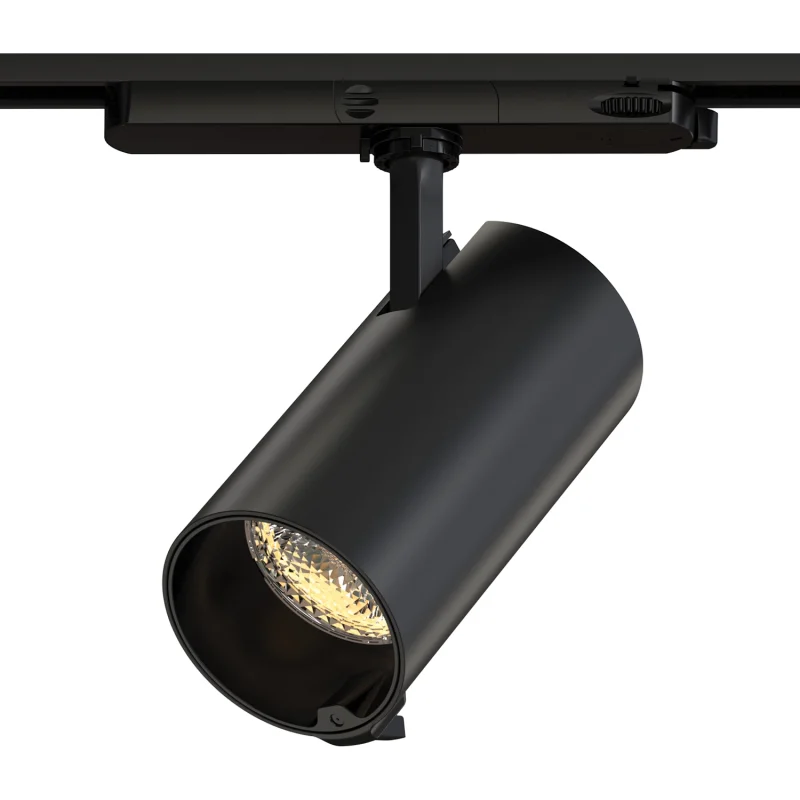 ACA AI Meta II 4TR097D61 – LED spotlight for track system in black, 30W, RGBW, 36°
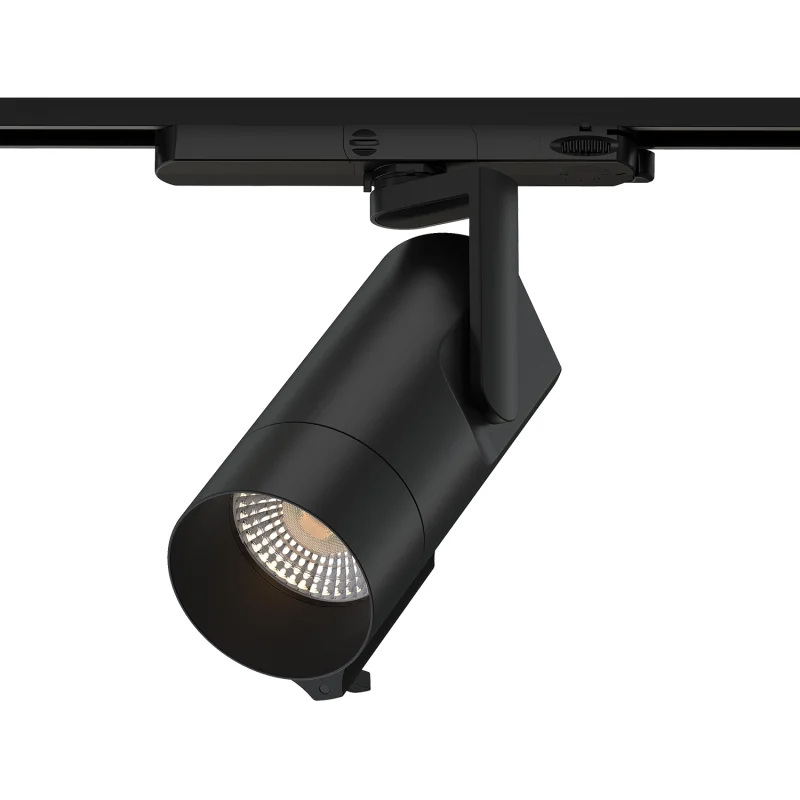 ACA AI Kano 4TR111D08 – LED spotlight for track system in black, 20W, RGBW, 24°
 ACA AI Luka 4GR009D25 – LED downlight for recessed mounting in black, 15W, RGBW, 24°
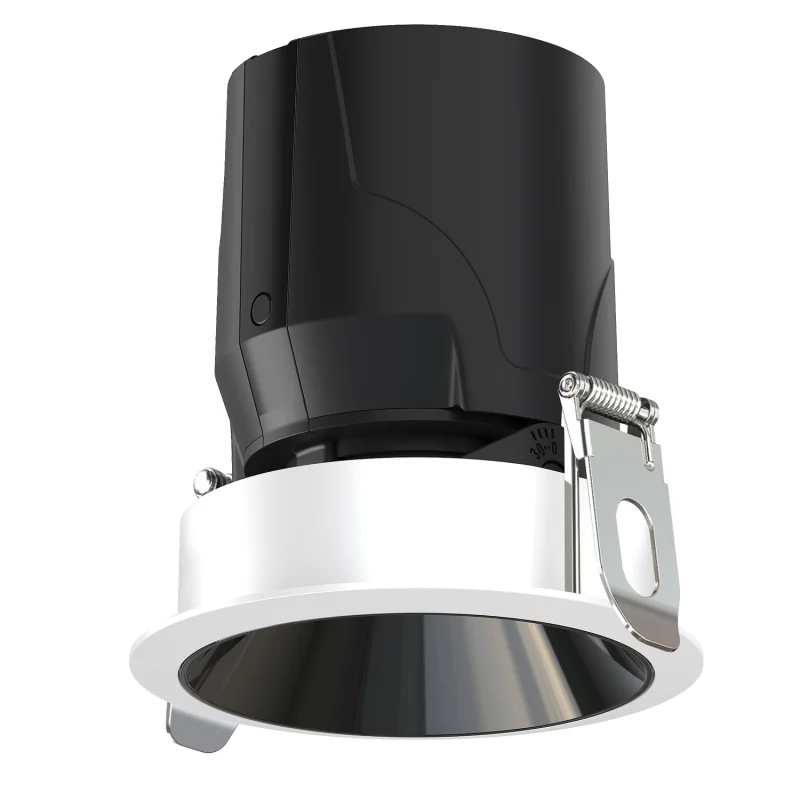 ACA AI Lulu 4DL196D04 – LED downlight for recessed mounting in black, 7W, RGBW, 24°
Control: app, gateway and add-on devices
The fittings are connected by Bluetooth Mesh - each fitting passes the command to the next, so no separate control cable is needed. Setup is done in the Caimeta app: zone groups, scenes, dimming, colour selection and automatic mode.
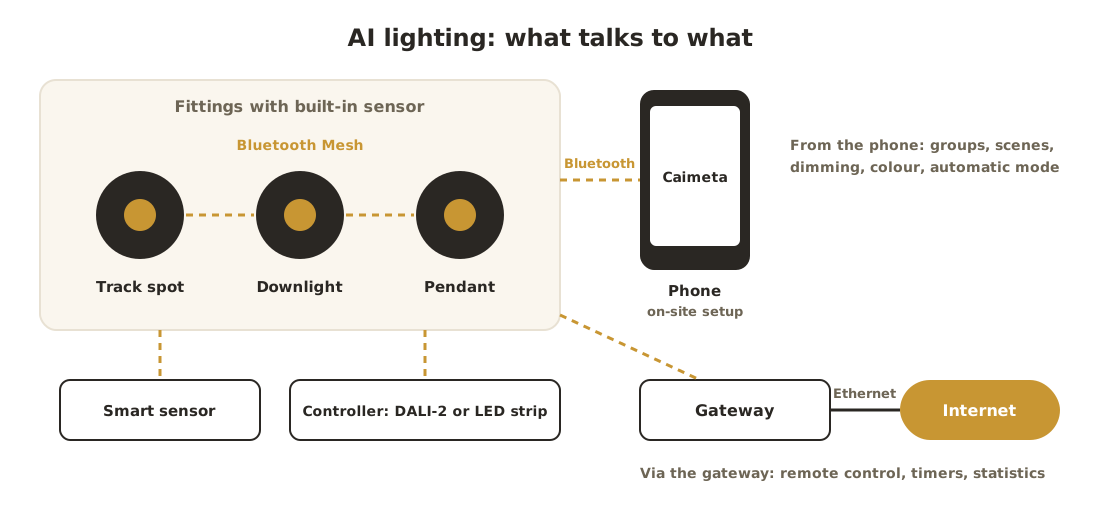
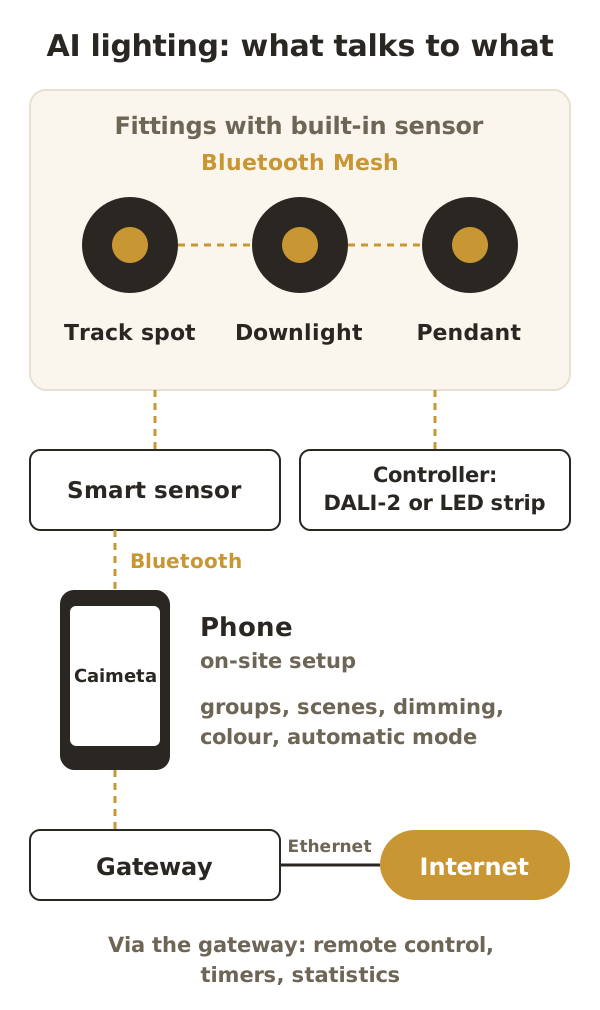
- Gateway - connects the fittings to the internet via Ethernet. Adds remote control, timers and sensor statistics. According to the manufacturer, it handles up to 100 devices.
- Smart sensor - a separate ceiling sensor for zones without AI fittings. Counts visitors, creates a heat map and can switch scenes.
- Controllers - for DALI-2 fittings and for 5-24 V RGBCW LED strip, so ordinary fittings and strips join the same scenes.
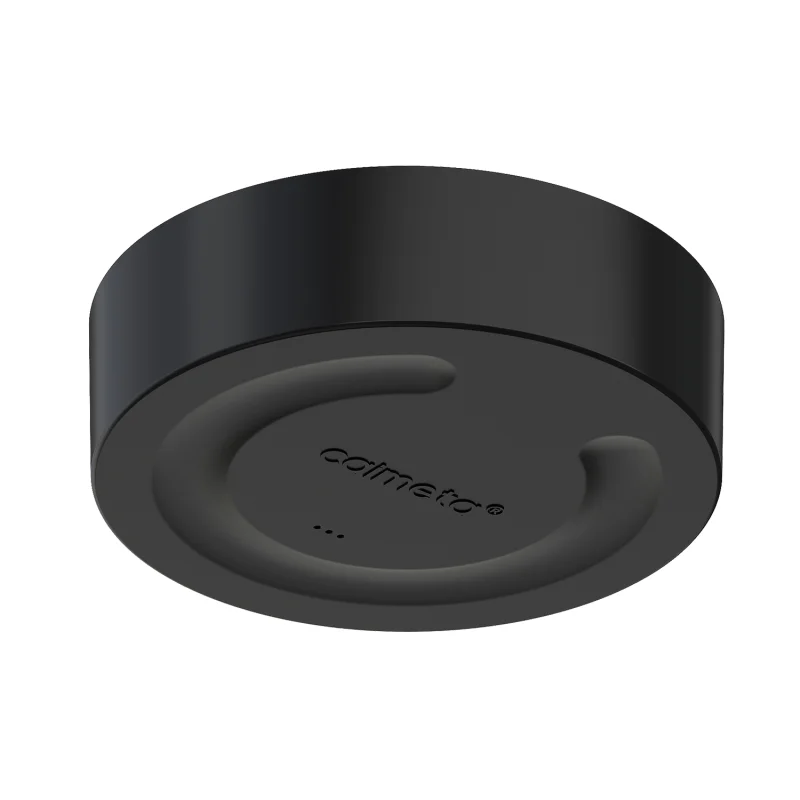 ACA AI Gateway 4DMR05004 – gateway for smart control in black
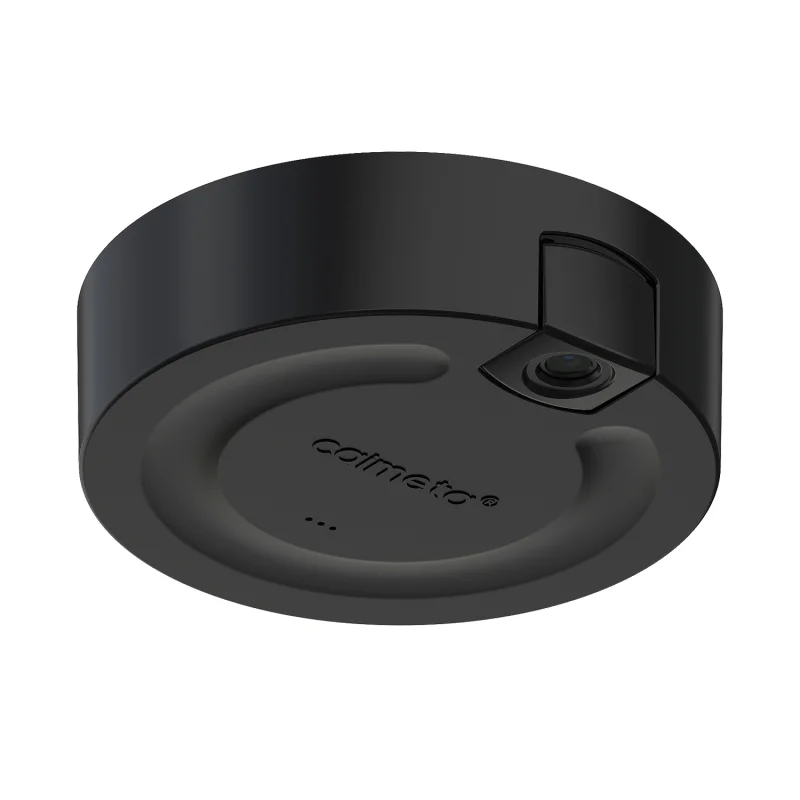 ACA AI Smart 4DMR05003 – smart sensor in black
How to plan AI lighting for a shop
1. The track type. It determines which fittings can be installed. The three options do not mix:
- 230 V track (4-wire) - for Meta II, Kano, Sara and Milo; see the ACA 230 V track;
- 48 V magnetic track - for Meta II and Aura in the magnetic version, with a separate 48 V power supply; see the ACA 48V magnetic track and our article on choosing and installing magnetic track;
- no track - downlights, surface spotlights and pendants connected directly to 230 V.
2. The number of fittings. It depends on the ceiling height, the beam angle and how much brighter the goods should be than the room. It is calculated in a lighting project - we prepare one free of charge from a plan or photos of the premises.
3. The zones. AI fittings go above the goods. General lighting of the room is planned separately, with ordinary fittings.
Start with one zone - the shop window or the most important shelf. The effect is visible immediately, and the rest of the premises can be added later.
Which premises it suits
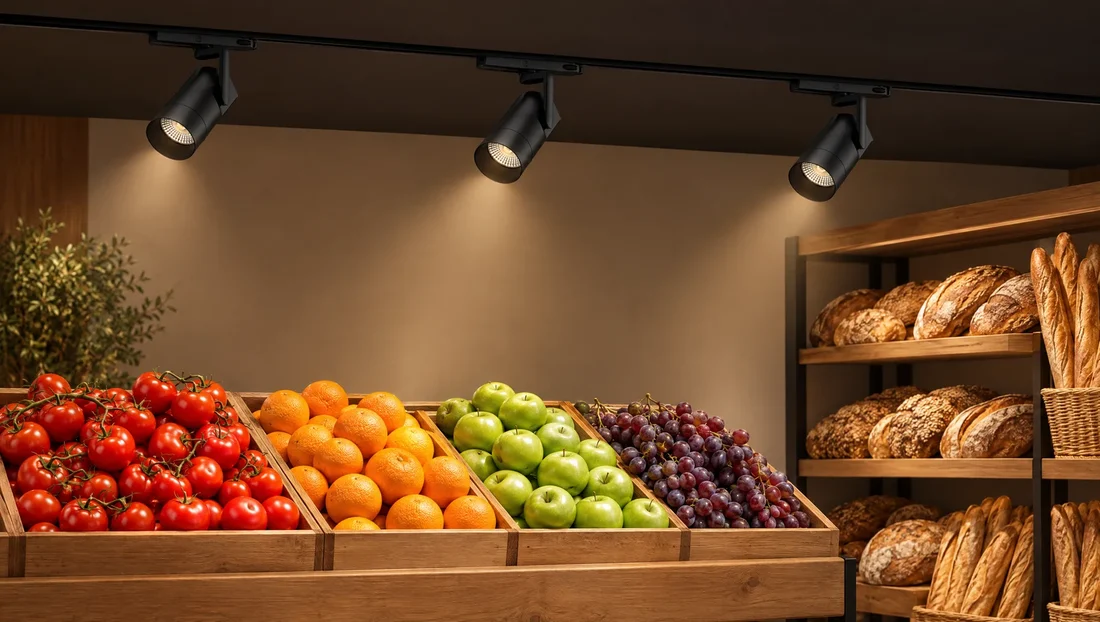
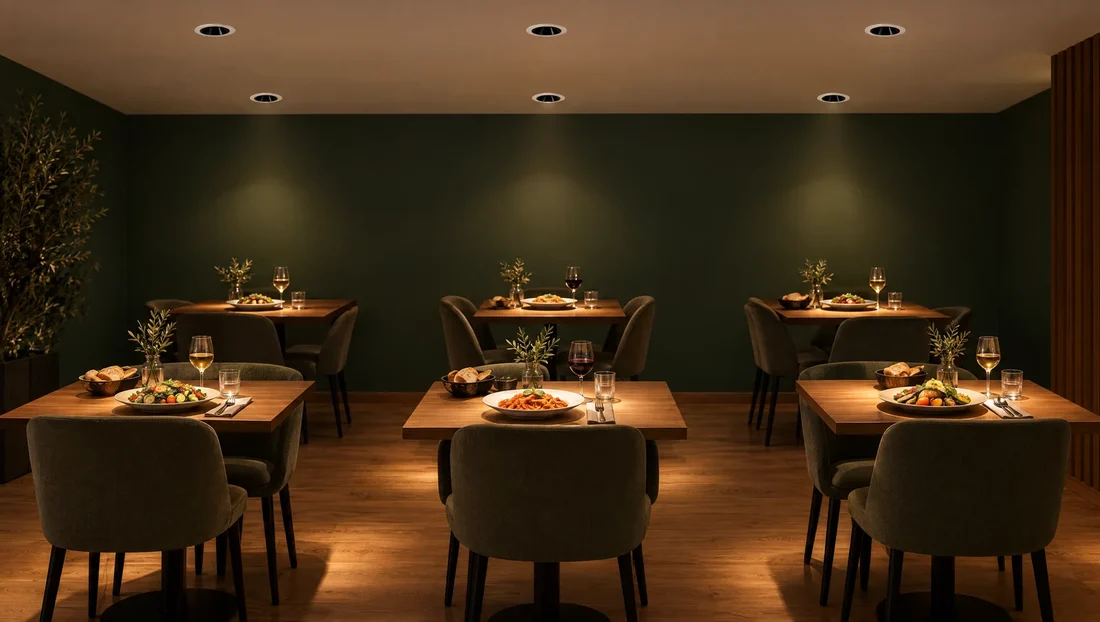
AI lighting is designed for retail premises where the goods must look exactly right: fashion shops and boutiques, food shops, furniture shops and car showrooms, exhibitions, museums and galleries. The small downlights also suit restaurants and bars, where light above the table makes food look more appetising.
Dual-sensor models also provide data on customer movement - which windows hold attention and which zones stay empty - and reduce energy use when nobody is there. Savings depend on the premises, so we do not quote percentages.
For a home, the system is rarely the most sensible choice: goods do not change there, and the scenes and dimming you need are achieved with simpler solutions - see Shelly and the smart home behind the switch.
Common mistakes
- A fitting for the wrong track. A 230 V spotlight does not work on a 48 V magnetic track and vice versa. Before ordering, check the track type or send us a photo of it.
- AI fittings for general lighting. They are intended for the goods; general room lighting is a separate task.
- Remote control without a gateway. Without a gateway, the fittings are set up only from a phone on site.
- CCT and RGBW fittings in one zone. The two types change light differently; use identical fittings within one display.
Browse the shop
Frequently asked questions
What is AI lighting?
Lighting with a colour sensor built into the fitting. The sensor recognises the lit object and the fitting changes its colour temperature between 2700 and 6500 K by itself; RGBW models also boost colour saturation.
Does it need the internet to work?
No. The fittings are set up from a phone over Bluetooth. Internet via the gateway is needed only for remote control, timers and sensor statistics.
Can the automatic mode be switched off?
Yes. The app also has manual control: on/off, dimming, colour temperature and colour.
Do the sensors record personal data?
According to the manufacturer, the sensors count people and measure how long they stay in a zone without recording personal data. For retail premises we recommend agreeing this with your data protection officer.
Do the AI spotlights fit an existing track?
The 230 V spotlights are for 4-wire track and the magnetic versions for 48 V magnetic track. Send us a photo of the track and we will recommend the right model.

 9a Saborni Blvd, Varna


 Mon – Fri 10:00 – 19:00