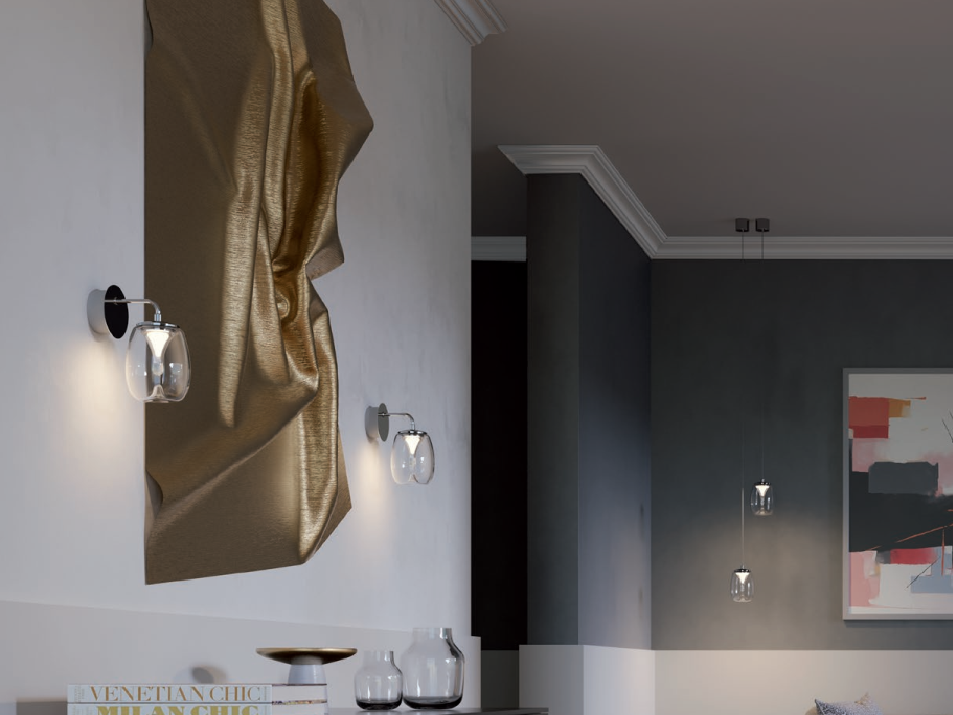
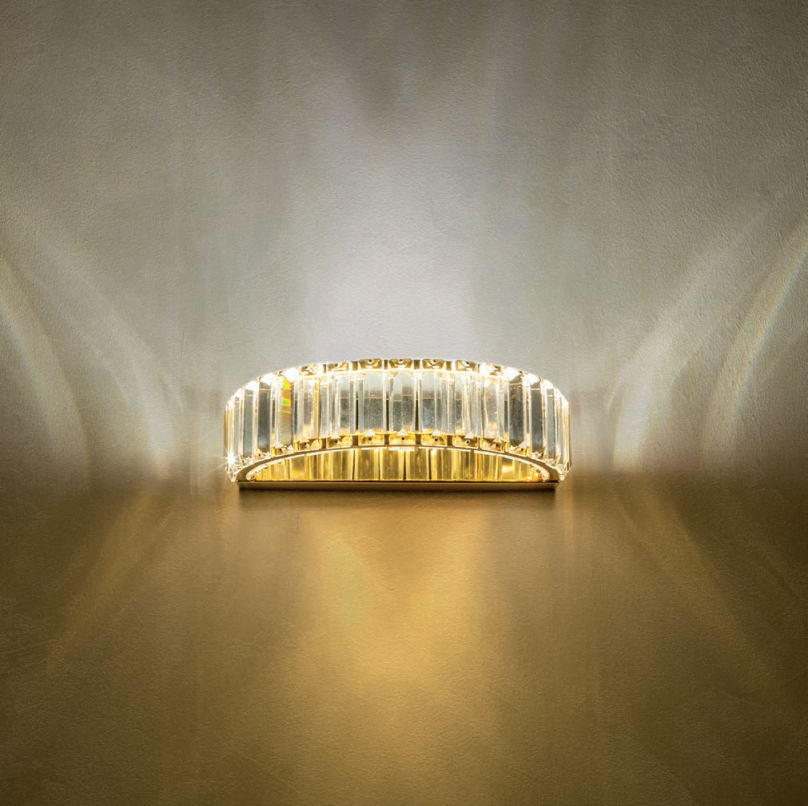
Wall lights are among the most elegant and most practical fittings there are, because they do two things at once: they light a specific part of a room, and they decorate the wall they are on. The range of designs available means there is a version for almost any interior. This article covers the types, where they go, and how to pick the right one for a home or an office.
Where do wall lights go?
They are unusually flexible about position, and what they are for changes with the room:
-
Entrance hall and corridor
- Discreet light that is still enough to see by, leading a visitor through the house without a bright ceiling fitting.
-
Living room
- Decorative light that makes the room comfortable in the evening, when full ceiling light is more than you want.
-
Bedroom
- An alternative to bedside lamps, especially for reading - and they free up the surface of the bedside table.
-
Bathroom
- Placed either side of a mirror, where they light a face evenly instead of casting shadows down it.
-
Garden and facade
- Outdoor wall lights light a path or a doorway and finish the outside of a building properly.
What they do to a room
Lighting decides the mood of a room more than almost anything else in it. Chosen well, wall lights will:
-
Make a room comfortable
- Warm light at wall height is softer than the same amount of light from above.
-
Give it a modern look
- Minimal and industrial designs suit contemporary interiors and read as deliberate rather than added on.
-
Add a note of luxury
- Brass or matt metal finishes look considered and expensive, whatever they cost.
-
Do a job
- A directional wall light is genuinely better for reading or working than a general one.
The types
By design, purpose and the way they are mounted, wall lights fall into a few groups:
-
Decorative
- Shapes and materials chosen to be looked at; the light is the secondary purpose.
-
Functional
- Directional light aimed where you need it, for reading or working.
-
Recessed
- Set into the wall itself, for a clean surface with light coming out of it.
-
Retro and vintage
- Classical shapes and materials, which give a plain room some character.
-
Smart
- LED, dimmable, controlled from a phone or a remote.
How to choose one
Five things decide whether a wall light will work where you want to put it:
-
The style of the room
- Match it to the other fittings and to the furniture, not to a photograph of a different room.
-
The colour of the light
- Warm light where you relax, neutral or cool light where you work.
-
Size and position
- Scale the fitting to the wall it goes on. A small light on a large wall looks lost; the reverse looks crowded.
-
Dimming and control
- Dimmable or smart fittings are worth the small extra cost in any room used at different times of day.
-
Material and protection
- Outdoors, and in a bathroom, check the IP rating before anything else. IP44 is the minimum around a bath; IP65 outdoors where the fitting is exposed.
In short
Wall lights suit almost every interior, from strictly modern to classical. They light a room properly and they improve the wall they are on. Have a look through our range and see what fits your space - and if you are unsure about the IP rating or the size, ask us.

 Free delivery on orders over 100 €
 +359 877 259 295




 Varna,
 Mon – Sat 10:00 – 19:00